 No minimum quantity on embroidery and prints
 15 days delivery for orders under 500 pieces
Digital printing directly on fabric (DTG - direct to garment) was introduced in 2004.
 Download catalogues

Digital Print
Unlike screen printing, it enables the printing of small orders without
additional costs of production preparation. Many consider this process much
easier than screen printing, because it only consists of 3 steps.
We use printing colour pigments for cotton and dispersive dyes for
polyesters. Like all digital techniques, the DTG printing form is virtual, and
no printing forms need to be created if the vector preparations are good.
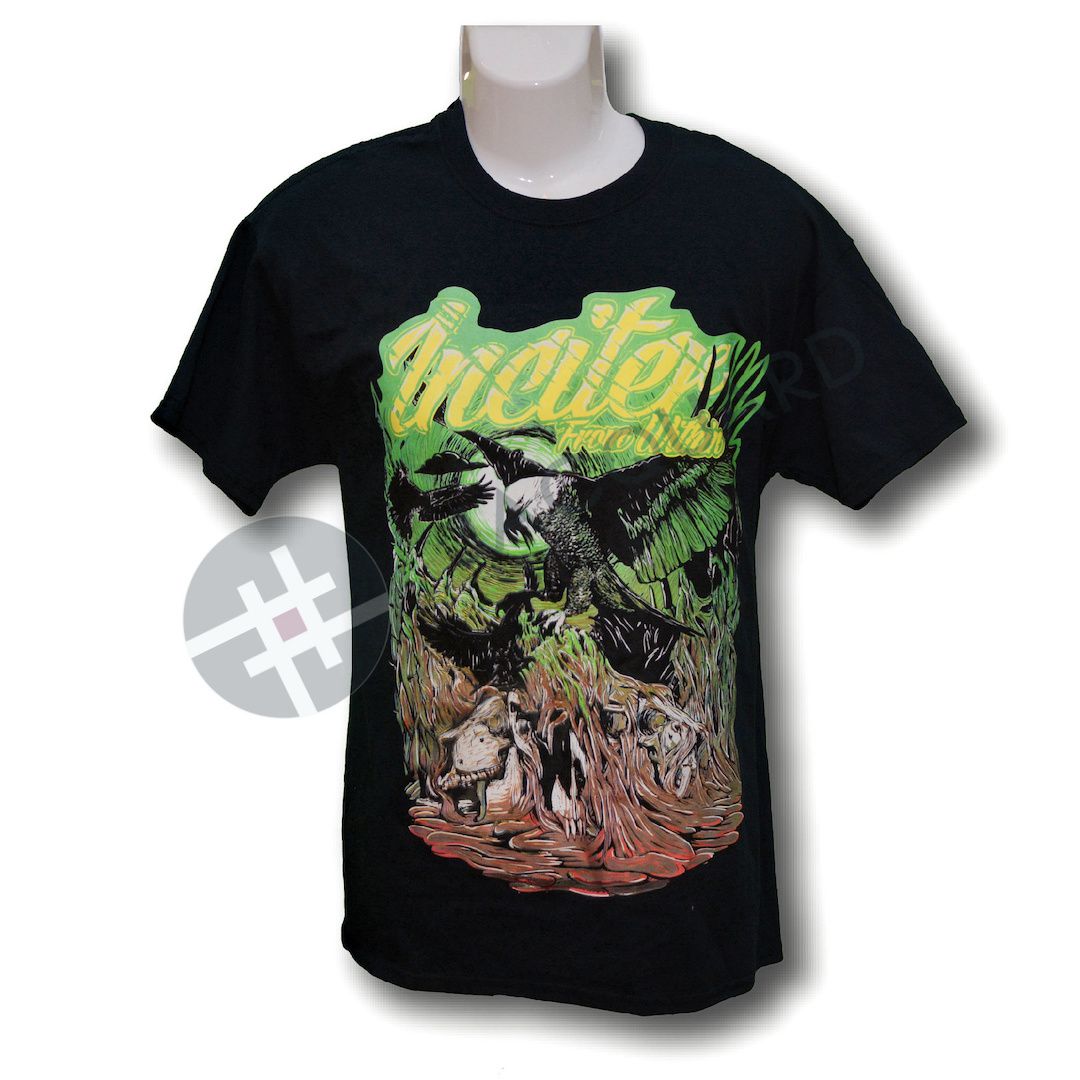
Personalized T-shirts are made with this technique quite quickly and at
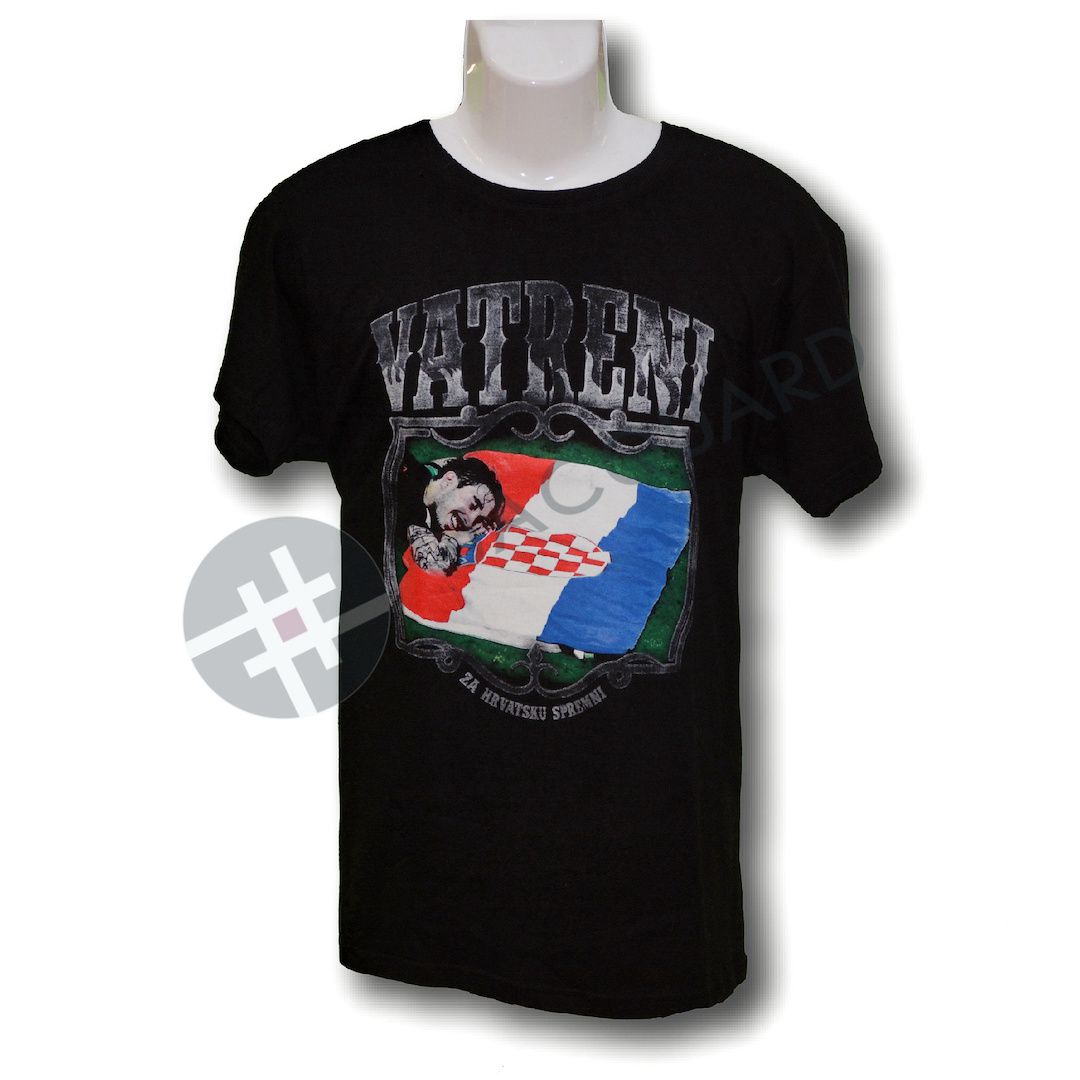
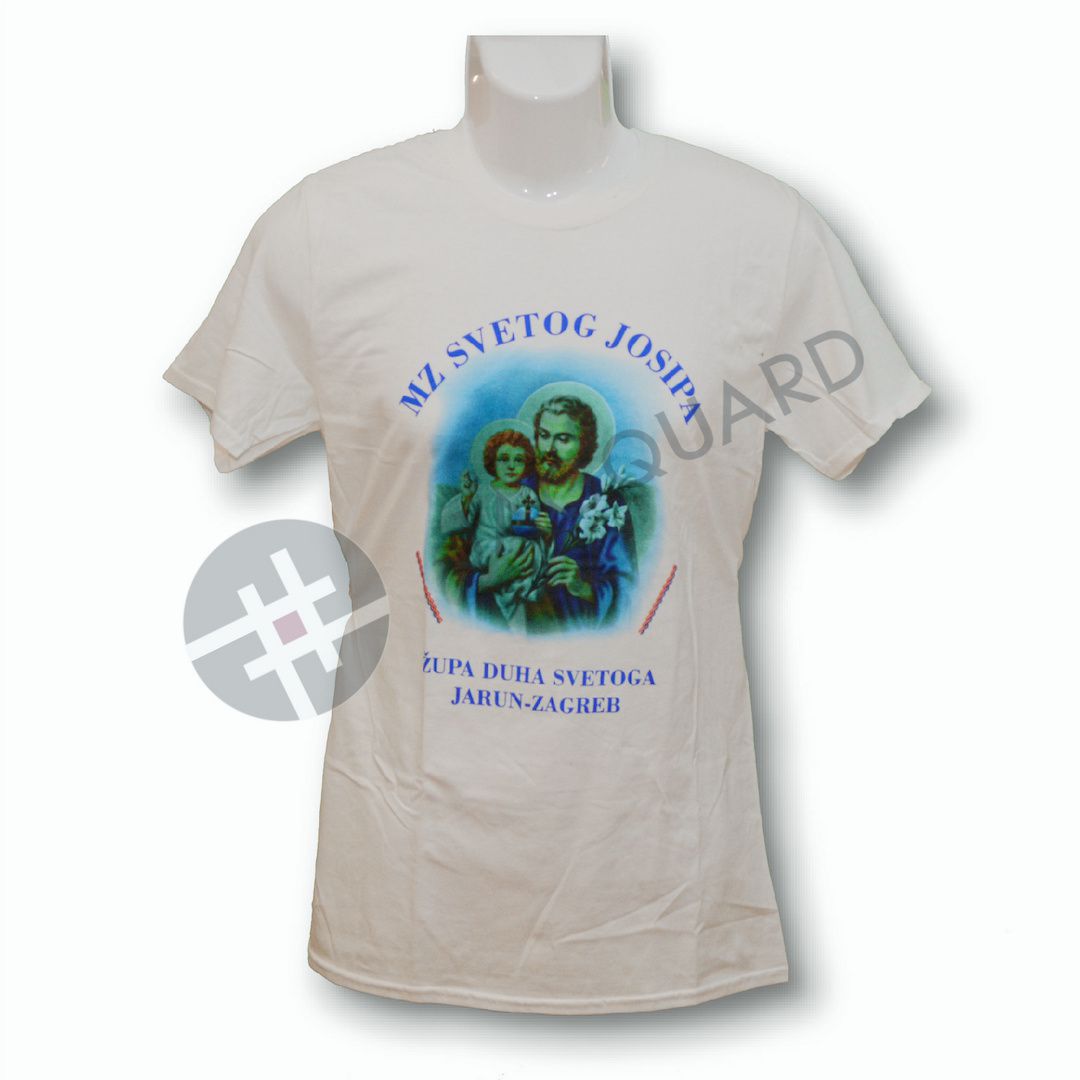
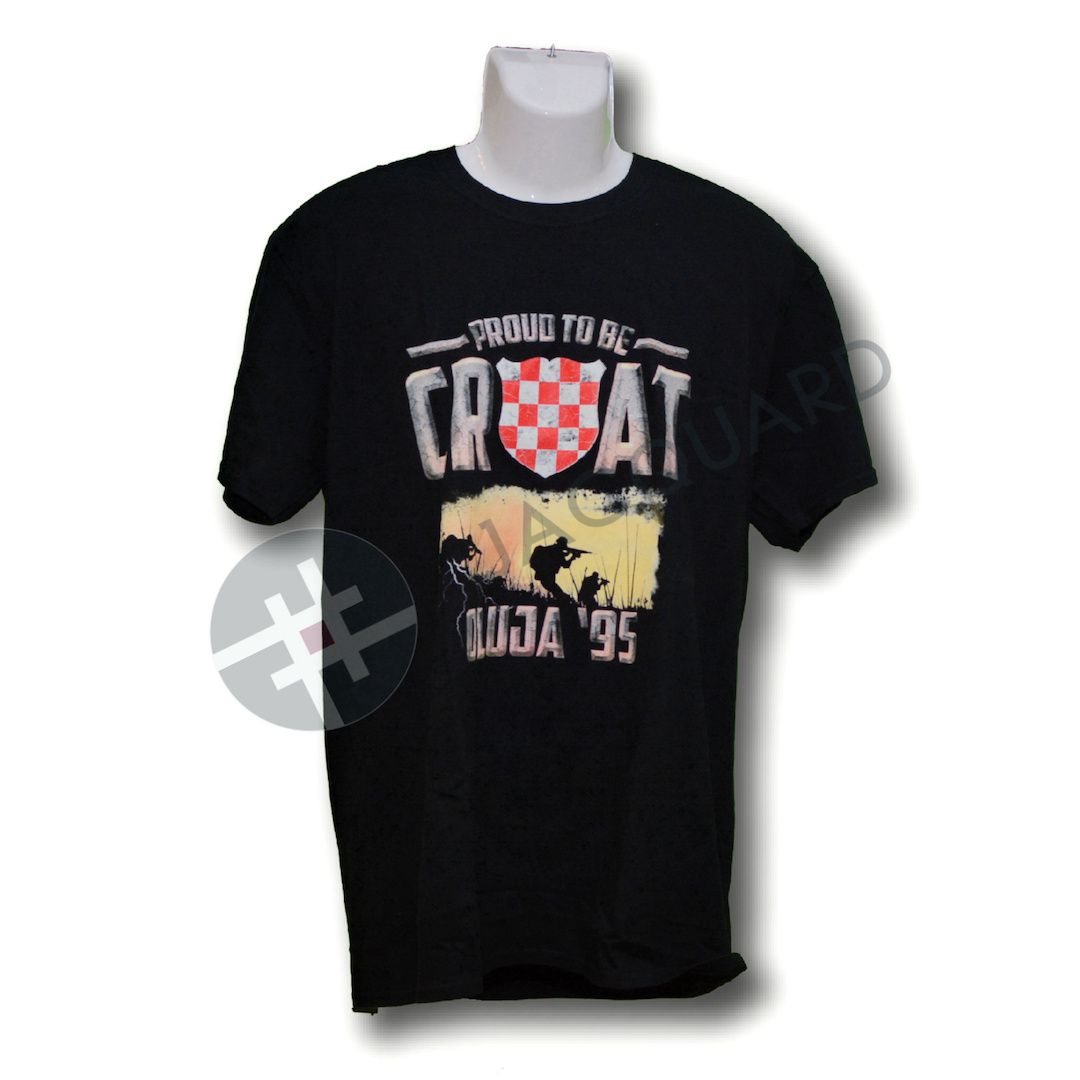
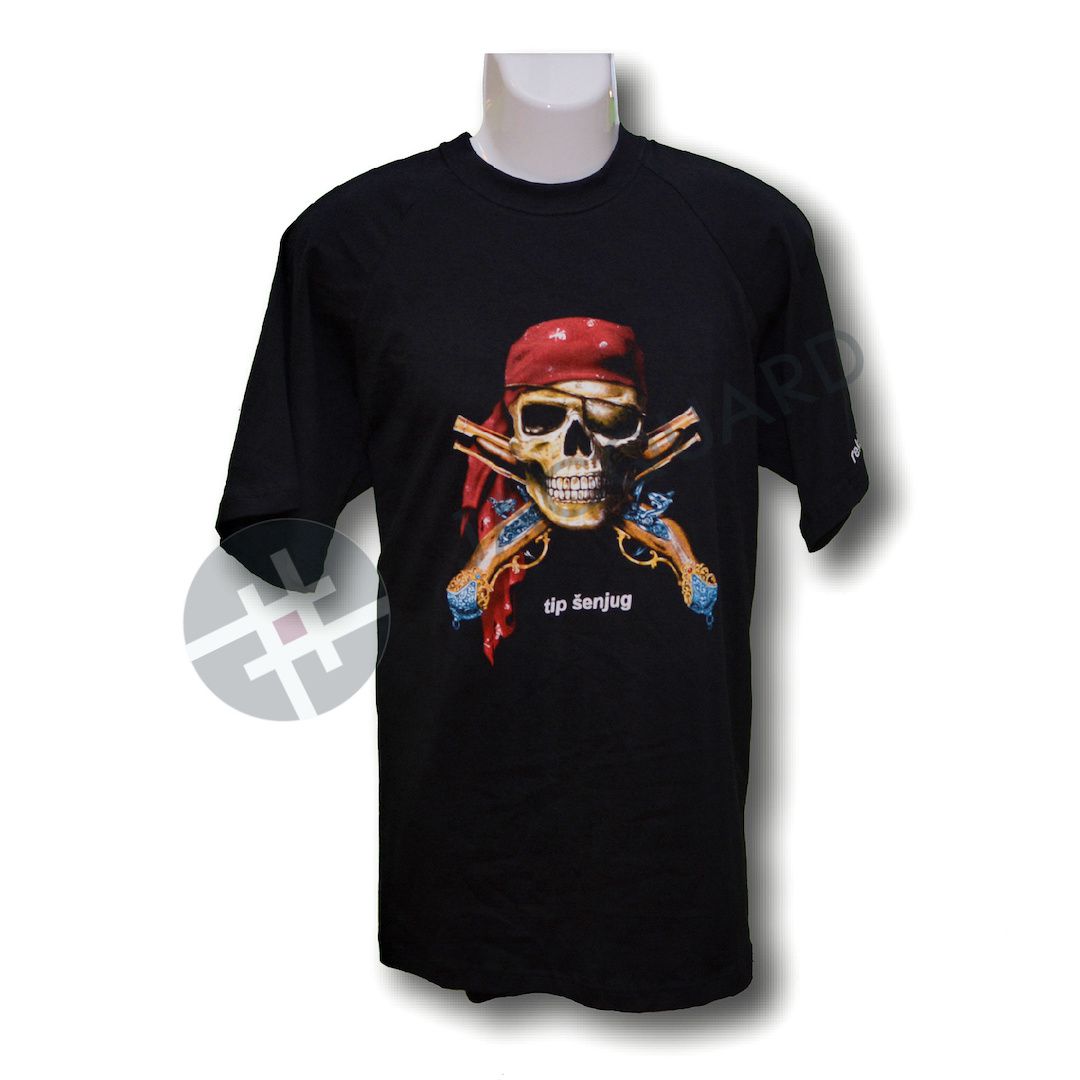
an affordable price. It is possible to make photo T-shirts, as well as print in
white on dark T-shirts. The print itself is sharp clear, vivid, and the garment
remains soft to the touch and resistant to washing. There is no difference in
price due to the preparation, so there is no minimum order size or price
increase due to the increase in the number of colours and simmilar.
Digital printing is a modern printing technology that transfers the
default motif to paper using a laser xenon photographic process. It greatly
simplifies the printing process, as it allows the printing of small and medium orders,
without the need to prepare films and plates, as is the case in offset printing.
The advantages are the ability to print small orders economically, speed and
print quality and the individuality of the possible design. The largest print
format is 320x450 mm, and the maximum grammage of the printing paper is 320g,
which is especially suitable for small runs and a short delivery time.

ADVANTAGES OF DIGITAL PRINTING
 affordable price of a
single print or small series
affordable price of a
single print or small series
the price of the print
does not change with the number of printed colours
higher quality photo
printing than classic printing techniques
very short production
and delivery time
Easy customization of
the application during operation
simple reproduction
There is no imprint
size limit, compared to drum printers
no storage of screens
or films
no pollution - very
environmentally friendly technology
simple start to your own
production
easy control of fabric
printing
cheap design – no need
for stereotypes or screens
easy exchange of
digital data over the Internet
economical inventory
management - print at the request of consumers
easy handling and
machine maintenance
low investment risk
Environmentally
friendly
Digital printing
technologies on textiles bring significant savings of 35% in the energy
consumption required to apply the colour. Water consumption for dyeing is
drastically reduced, from 43 litres per m2 of fabric to only 3 litres of water.
CO2 emissions are reduced by 25% in digital fabric printing compared to
conventional printing techniques (InfoTrends survey)
We make woven labels, emblems, flags, pendants and ribbons on all promotional items, with the application of sewing or gluing.

We make machine embroidery directly on all positions of promotional items.

We print in appropriate techniques on all promotional items.


 Request an offer
 Contact us